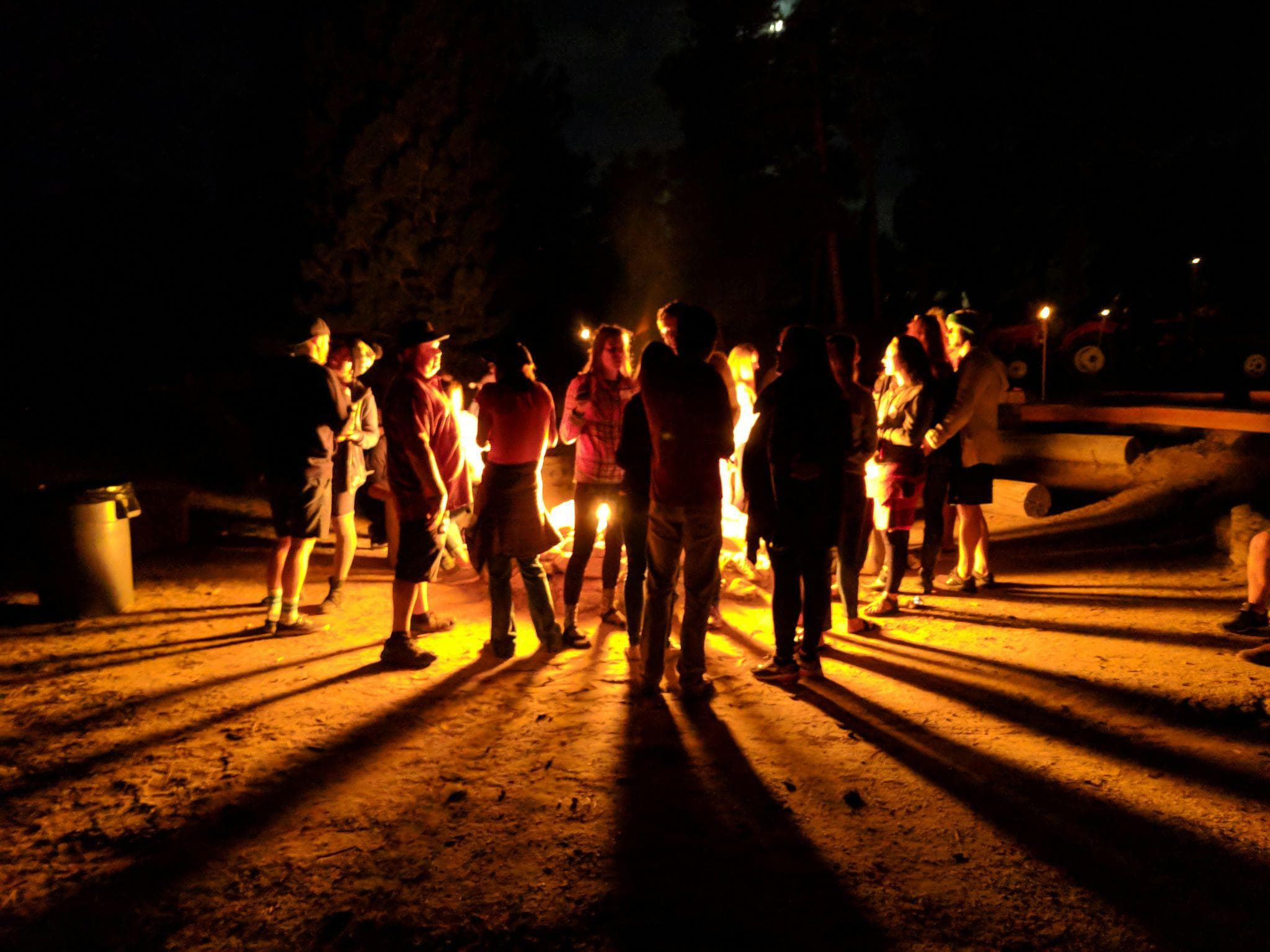
Pause for a second and think about it. Most of us have been there. We start the evening with clear limits, maybe even a budget in mind, yet by midnight we’re buying premium cocktails we can’t pronounce or paying for VIP entry without blinking.
Somehow, we go from practical, price-conscious individuals to generous spenders almost on autopilot. This shift is a predictable human psychology unfolding inside an environment designed to make it happen.
Because nighttime venues understand people better than most people understand themselves, they’ve learned how to craft spaces where spending feels natural, even necessary.
The Social Psychology of Group Spending
This is how it often starts. You’re out with friends, and someone suggests upgrading to a private table or ordering another round. Instantly, your brain shifts from calculating money to calculating social cost.
The risk of looking cheap or unsociable feels heavier than the cash you’re about to part with. Because of this, group dynamics quietly nudge everyone toward matching or topping each other’s spending.
Psychologists even have a name for it: reciprocity obligations. When someone buys you a drink, your mind registers a subtle debt. Paying it back regularly means spending more than they did, and before you know it, a friendly gesture has become a cycle of one-upmanship.
High-end venues exploit this by turning private tables, bottle service, or premium gaming into collective purchases. What you’re really buying isn’t just alcohol or chips but a shared memory, a moment of belonging, a little social prestige. And framed like that, the premium suddenly feels worth it.
We can also see it in online casinos, where timed bonuses, flashing progress bars, and near-miss animations turn individual choices into group-worthy moments shared on streams and chats. Social proof banners that announce “X just won Y” keep you thinking others are winning now, so you should keep playing to stay part of the action.
Limited-time offers, such as no deposit bonuses on sites like http://kasynoonlineautomaty.pl, and streak rewards trigger loss aversion, making it feel costly to stop even when you planned to. Referral perks and squad tournaments add a teamwork layer that reframes spending as contributing to a collective goal.
The Psychology of Special Occasion Spending
Special occasions amplify the effect. A birthday, bachelor party, or girls’ night out flips a mental switch that says “tonight is different.” The same person who debates paying an extra five dollars for lunch might spend hundreds with no hesitation because the context rewrites their internal rules.
Behavioral economists call this mental accounting: we keep separate “budgets” in our heads for routine expenses and for “big nights.”
Add to that the one-time nature of the event, the belief that you’ll never get this exact moment again, and scarcity kicks in. You’re more willing to splurge because your brain frames it as a now-or-never investment in a memory. That sense of urgency makes the purchase feel more justifiable than it would under normal circumstances.
Environmental Design and Spending Disinhibition
While social and psychological forces are at work, the physical environment quietly stacks the deck too. Dim lighting makes price tags harder to read. Loud music and crowded rooms overload your senses, so your rational side tires out.
Alcohol, obviously, further clouds judgment. Even payment methods matter: chips or cards feel less like “real” money than cash, creating distance from what you’re actually spending.
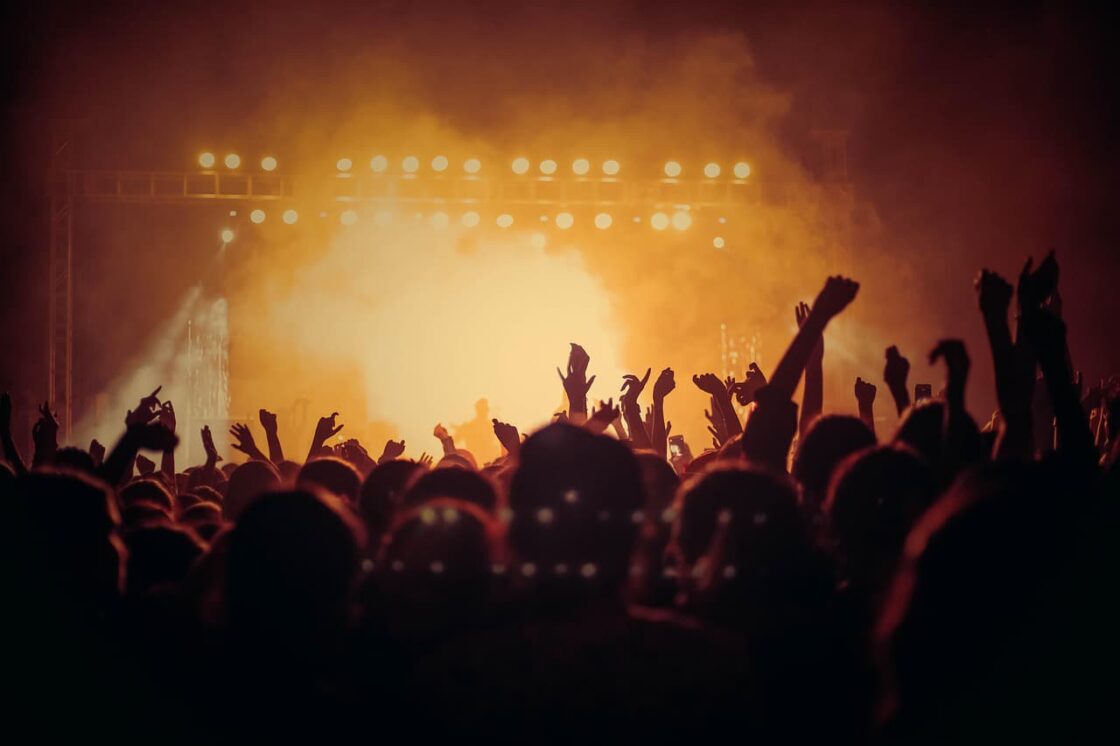
All of these elements combine to produce what psychologists call present bias: overweighting immediate pleasure compared to future cost. At the moment, the music, laughter, and validation feel priceless.
Identity Economics of Generous Spending
At the heart of all this is identity. Buying rounds, picking up tabs, or booking a premium experience lets you step into the role of the successful, generous friend, even if just for a night. That identity performance can feel intoxicating, and the money spent becomes the price of the role.
In nightlife settings, spending also acts as a social signal. Your willingness to open your wallet communicates status, confidence, and generosity. Economists call it conspicuous consumption, spending not only for the product or service but for the social meaning it conveys. The person who buys the next bottle becomes the center of attention and, at least temporarily, climbs the venue’s invisible hierarchy.
This is why the costs that would horrify your daytime self seem perfectly logical at midnight. You’re not just buying drinks or entry. You’re buying a feeling: status, belonging, memory, identity.