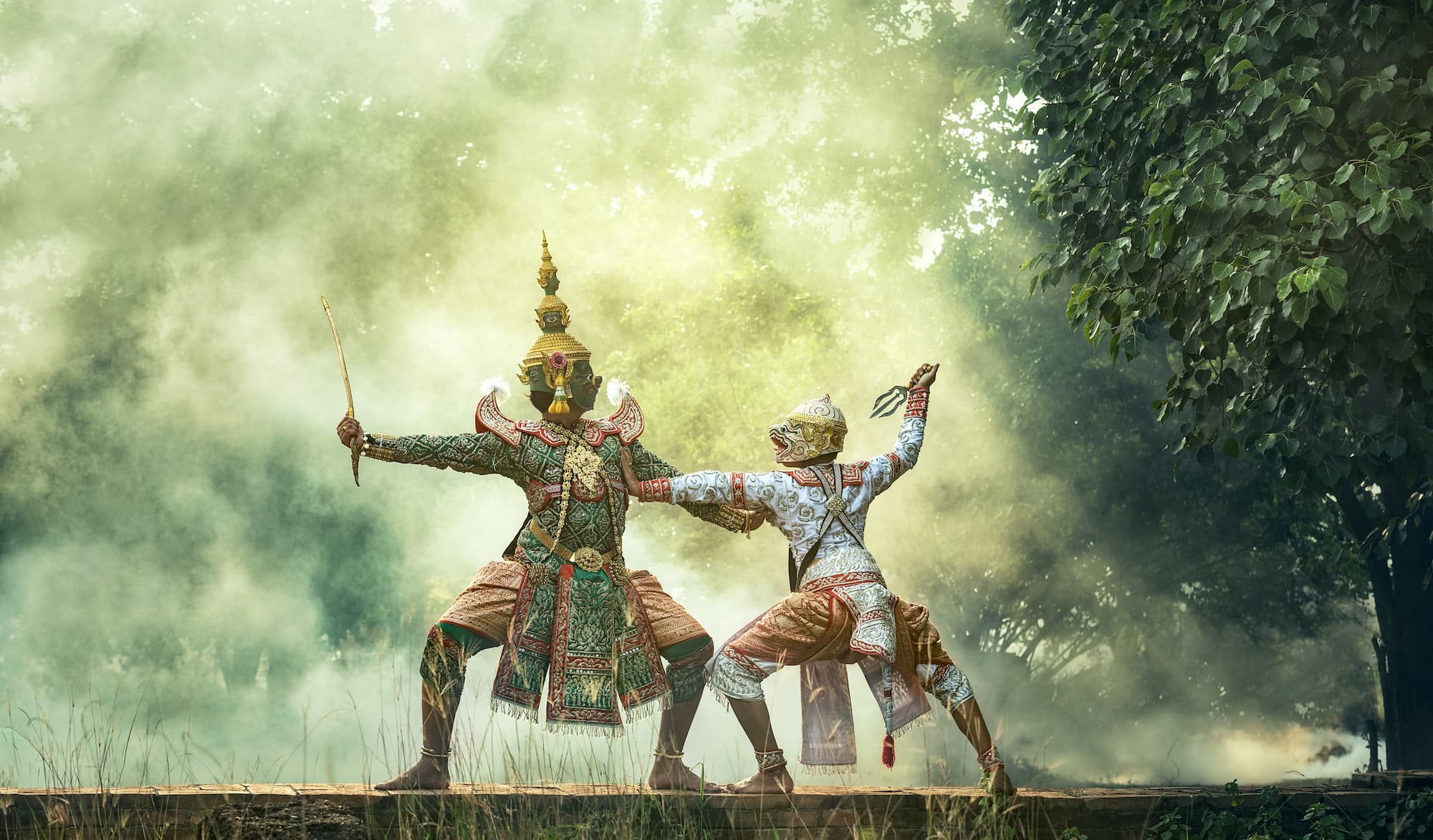
There is something slightly unfair about watching a great concert on video afterwards. The sound might actually be cleaner, the camera can give you a better view than the person standing three rows back, and nobody particularly tall can suddenly appear directly in front of you. Technically, it should be the better experience.
Usually, it isn’t.
A small live venue makes the difference particularly obvious. You hear people react before the musician finishes a line. Someone laughs at something that was never part of the planned show. The performer changes the timing because the room happens to be unusually quiet—or exactly the opposite. None of these moments looks important when written down, but together they create an evening that cannot really be repeated.
Recorded entertainment preserves the performance. Being there preserves everything around it.
An Audience Is Never Completely Passive
We tend to imagine a simple division: performers are on the stage, everyone else watches. Anyone who has spent enough evenings around live music knows that the border is much messier.
Applause has timing. Silence has weight. People sing along, shout something unexpected, move closer to the stage, respond to jokes, and occasionally change the atmosphere of an entire performance without being asked.
Theatre has played with this relationship for a very long time, while street performance removes even more of the usual boundaries. Once the stage disappears, the audience has to decide where to stand, what deserves attention, and sometimes whether to become involved.
That is where things start getting interesting.
A Stage Does Not Need Four Walls
Festivals push the idea even further because several experiences can happen at once.
Walk in one direction and you might find music. Turn around and there is a performance, a market, an installation, or a crowd gathering around something you had not noticed five minutes earlier. Food, clothing, scenery, sound, performers, and visitors occupy the same environment.
There is no camera deciding where you should look.
For a few hours, the venue becomes a temporary world with its own rhythm.
LARP Takes Participation Much Further
Live action roleplay follows a surprisingly similar principle, except that the distinction between performer and audience becomes even harder to find.
People arrive as characters rather than conventional spectators. They wear clothing and equipment belonging to the setting, make decisions inside a fictional world, form groups, argue, trade, celebrate, and occasionally create situations that the organisers could never have predicted beforehand.
Small games may involve only a few dozen participants, while major European events operate on an entirely different scale. For anyone curious about what happens when this idea grows into a huge temporary fantasy world, this overview is a useful starting point:
https://larpshopkeeper.com/blogs/events/the-biggest-larp-event-in-the-world
At that size, camps, battles, costumes, merchants, performers, music, scenery, and thousands of individual interactions begin functioning together. There may be an organised setting underneath everything, but no two people experience precisely the same event.
In an odd way, that should sound familiar to anyone who loves live venues.
Imperfection Is Part of the Performance
Live entertainment has never been perfectly predictable, and that is probably a good thing.
Musicians occasionally miss notes. Equipment fails. Outdoor festivals get rain at exactly the wrong moment. LARP has its own version of this chaos: costumes break, carefully prepared plans collapse, characters misunderstand each other, and a story expected to last two hours can suddenly take an entirely different direction.
Trying to eliminate every accident would remove part of what makes the experience memorable.
People often remember the moment an entire room unexpectedly sang together more clearly than a technically flawless performance. LARP players tell similar stories about accidental alliances, improvised arguments, ridiculous failures, and situations that nobody had written into the event.
The mistake becomes part of the memory.
Participation Changes What We Remember
Watching something gives us images to remember. Participating gives us decisions.
You remember where you stood, what you said, who answered, and what happened because of it. Even an ordinary interaction becomes personal because the evening would have been slightly different if you had not been there.
A recording can show what happened.
It cannot quite reproduce that feeling.
Why Live Experiences Still Matter
Nearly any song, film, concert recording, or fictional universe can now be opened on a screen within seconds. Oddly enough, easy access to digital entertainment may have made physical experiences feel more valuable rather than less.
A live venue offers something streaming cannot guarantee: a moment shared with other people that will never happen in precisely the same way again.
LARP simply pushes that old idea much further. Instead of asking people only to witness what happens around them, it gives them permission to influence it.
Music venues and fantasy battlefields may appear to have very little in common. Look closer, though, and the attraction is remarkably similar.
Sometimes people do not want another perfect recording.
They want to be there.